What Is Sales Discovery?
Sales discovery is the part of a sales conversation where you diagnose the customer's situation before you try to solve anything.
That means understanding what is happening today, what the buyer is trying to achieve, what problems are getting in the way, what those problems cost the business, and why the issue matters now.
In practical terms, discovery is where good sales conversations separate themselves from generic ones. A weak discovery call produces vague notes, shallow qualification, and a rushed pitch. A strong discovery call gives you context, pain, impact, urgency, and a much clearer path to a relevant next step.
If you want a practical way to test this skill after reading, go to Sales Discovery Role Play.
Sales discovery is not a script. It is a diagnostic conversation designed to help you understand the buyer before you recommend a solution.
Why Sales Discovery Matters
Discovery affects everything that comes after it.
If you do not understand the buyer's current situation, goals, blockers, and business impact, then your demo, proposal, objection handling, and follow-up are all built on weak assumptions.
That usually creates predictable problems:
- the conversation stays surface level
- the rep talks more than the buyer
- the pitch comes too early
- the buyer does not feel understood
- next steps are weak or unclear
Strong discovery improves more than call quality. It improves qualification quality, value alignment, and your ability to connect the conversation to the broader sales process.
What Good Sales Discovery Tries To Uncover
Good discovery is not just asking questions. It is uncovering the right categories of information.
1. Current Situation
Start by understanding what the customer is doing today.
Examples:
- How are you handling this today?
- What does your current process look like?
- Who is involved right now?
2. Goals and Desired Outcomes
Next, understand what the buyer wants to improve.
Examples:
- What are you trying to accomplish this quarter?
- What would success look like here?
- What would you want to change first?
3. Problems and Friction
This is where the real diagnosis starts. Surface pain is rarely the full story.
Examples:
- What is making this harder than it should be?
- Where does the current process break down?
- What happens when this issue shows up?
4. Business Impact
Great discovery connects the problem to consequences.
Examples:
- What is this costing the team today?
- How does this affect revenue, speed, quality, or risk?
- What happens if nothing changes in the next six months?
5. Priority and Urgency
Not every problem is worth solving now.
Examples:
- Why is this important now?
- What changed recently?
- What happens if this gets pushed into next quarter?
6. Stakeholders and Decision Context
In most real deals, the first buyer is not the whole buying process.
Examples:
- Who else cares about this problem?
- How do decisions like this usually get made?
- Who would need to be involved in the next step?
What Strong Sales Discovery Looks Like
Strong discovery is usually defined by a few observable behaviors.
Strong discovery sounds like curiosity, follow-up depth, and business diagnosis. Weak discovery sounds like assumptions, checklists, and premature pitching.
Ask Open Questions
Open questions create room for the customer to explain context in their own words.
Instead of:
- Do you need better reporting?
Try:
- How are you measuring performance today, and where are the gaps?
Follow Up Instead of Moving On
The first answer is usually not the real answer. Strong reps stay with the topic long enough to find meaning and impact.
Instead of:
- So the issue is follow-up?
Try:
- What is causing follow-up to slip, and what impact does that have on pipeline or conversion?
Connect Pain To Business Impact
You are not just gathering complaints. You are helping the buyer clarify why the problem matters.
Examples:
- How often does that happen?
- What does that delay create for the team?
- What is the downstream effect on pipeline, forecasting, or customer experience?
Avoid Pitching Too Early
Discovery breaks when the rep hears one problem and immediately jumps into solution mode.
That may feel efficient, but it usually shortens the conversation before you understand the full picture.
If you want to improve how you structure the rest of the conversation after discovery, review What Is A Sales Call?.
Common Sales Discovery Mistakes
Most discovery calls fail for a few repeatable reasons.
Asking Closed or Leading Questions
Closed questions narrow the conversation too fast and often smuggle in your own assumptions.
Staying at Surface Level
A buyer says, "follow-up is inconsistent," and the rep accepts it without exploring the process, root cause, or impact.
Pitching Before Diagnosing
The rep hears one pain point and starts explaining features. Trust drops because the buyer can feel the rep is solving a partial problem.
Treating Discovery Like Qualification Only
Qualification matters, but discovery is broader than checking boxes like budget or timeline. It is about understanding the business context behind the opportunity.
Failing To Clarify Next Steps
A strong discovery call should end with more than vague interest. It should produce a clearer diagnosis and a logical next step.
Sales Discovery Questions: Examples By Type
Use these as starting points, not a script.
Current State Questions
- How are you handling this today?
- Walk me through the current process.
- What tools or workarounds are involved right now?
Goal Questions
- What are you trying to improve?
- What would a better outcome look like?
- What is the team being measured on?
Challenge Questions
- What is making that difficult today?
- Where does the process tend to break down?
- What frustrations come up most often?
Impact Questions
- What does that delay or issue cost the business?
- How does this affect conversion, efficiency, or risk?
- What happens if this stays the same?
Urgency Questions
- Why is this a priority now?
- What changed that pushed this up the list?
- Is there a deadline or business trigger behind this?
Next Step Questions
- What would a useful next step look like from your perspective?
- Who else should be involved in the next conversation?
- What would you need to see to move this forward?
How To Improve Sales Discovery
Improvement usually comes from a few practical habits.
Prepare Better
Before the call, clarify what you need to learn, what you already know, and where your assumptions could mislead you.
For a repeatable preparation workflow, use the Sales Pre Call Planning Template.
Ask One More Follow-Up Than Feels Natural
Many reps stop too early. One additional follow-up question often uncovers the real issue.
Listen For Business Impact
Do not stop at symptoms. Ask what the problem creates in revenue, time, quality, risk, or customer outcomes.
Review Real Calls
Look at actual conversations and ask:
- Did I ask open questions?
- Did I go deep enough?
- Did I uncover impact?
- Did I pitch too early?
Practice Outside Live Deals
Reading helps, but real improvement comes from repetition and feedback.
If you want to move from theory to practice, use Sales Discovery Role Play. It combines brief teaching, an AI-powered Skill Workshop, and feedback on the behaviors that make discovery strong.
Sales Discovery Role Play: Practice The Skill
If this article helped you understand the concept, the next step is to test how well you actually perform in a discovery conversation.
Sales Discovery Role Play is designed to help you:
- practice a realistic discovery conversation
- strengthen question quality
- stay curious longer
- connect pain to business impact
- avoid pitching too early
Next read

What is a Sales Call? A sales call is a conversation between a salesperson and a potential customer.
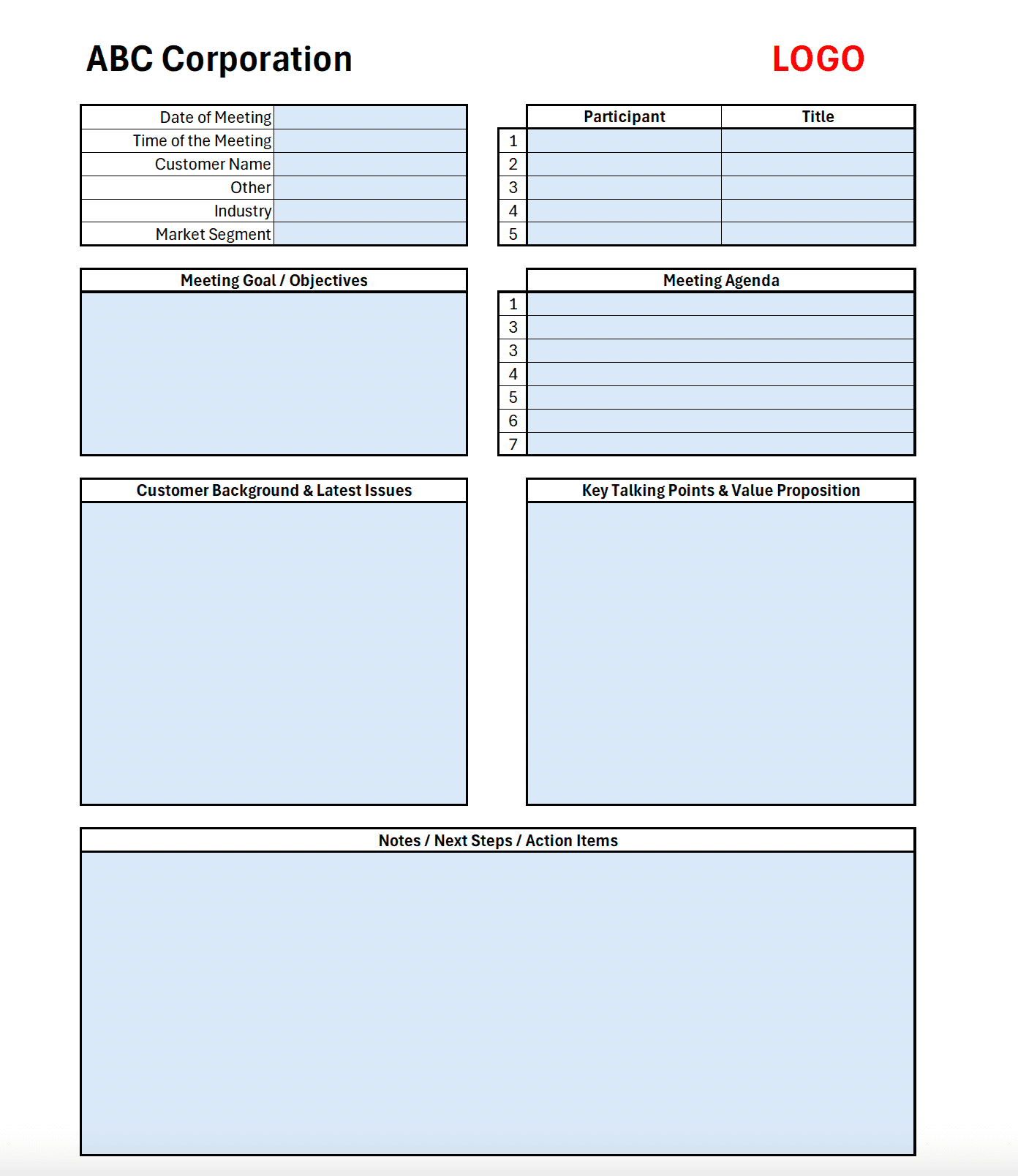
A Sales Pre Call Planning Template is a structured tool designed to help sales professionals prepar…
How to Improve Sales Skills? Continuous development through training, coaching and learning to be a…
Summary
Sales discovery is the part of the sales conversation where you diagnose before you recommend.
Strong discovery helps you understand the buyer's current situation, goals, pain points, business impact, and urgency. Weak discovery creates shallow calls, generic pitches, and weak next steps.
If you want better discovery performance, focus on open questions, follow-up depth, business impact, and resisting the urge to pitch too early. Then practice the skill in a setting where you can get feedback and improve.